LMIA Work Permits in Winnipeg: What Employers and Foreign Workers Need to Know

28th, Jul 2026
Applying for a Skilled worker visa is a major step for many people planning a future in Canada. While many applicants focus on gathering documents and submitting forms quickly, small errors can slow the process or even result in a refusal. Many delays happen because important details are overlooked rather than because an applicant is not eligible.
For people planning to move to Winnipeg, careful preparation matters. Every application is reviewed against current immigration rules, supporting records, and background information. Missing paperwork, inconsistent information, or inaccurate details can create unnecessary waiting periods.
This article explains seven common mistakes that delay applications, reviews important requirements that are often forgotten, discusses processing timelines, and answers a common question about permanent residence. Whether you are applying for the first time or preparing another application, paying attention to these areas can make the process much smoother.
One of the most common reasons applications take longer is missing documentation. Immigration officers cannot assess an application properly when required records are absent.
Applicants sometimes forget to include:
Even a single missing document can trigger requests for additional information, adding weeks or months to the process.
Create a checklist before submitting your application and confirm that every document matches current immigration instructions.
Your work history plays a major role during assessment.
Problems often appear when:
Immigration officers carefully compare information across all submitted records. If something appears inconsistent, they may ask for clarification before making a decision.
Ask former employers to prepare accurate employment letters that clearly describe your role, responsibilities, and employment period.
Canada uses occupational classification codes to identify different professions.
Applicants sometimes select a code based only on the job title instead of actual daily duties. Two positions may share similar titles while involving entirely different responsibilities.
Choosing an incorrect occupation code can create delays because officers must determine whether your experience matches the selected classification.
Review the duties carefully before selecting the appropriate occupation.
Language examination results remain an important part of many immigration pathways.
Common mistakes include:
Always verify that language results remain valid on the submission date.
If the scores expire before filing your application, another examination may be required.
Simple typing mistakes create more problems than many applicants expect.
Examples include:
Even small differences between passports, educational records, employment letters, and application forms may require additional verification.
Review every page carefully before submission.
Immigration authorities may request additional records or clarification during assessment.
Some applicants delay responding because they are gathering paperwork or do not notice the request immediately.
Late responses can prolong processing or lead to application closure.
Check your online account and email regularly after submitting your application.
Many applicants rely on advice from friends or relatives whose applications were approved years ago.
Immigration programs change regularly. Eligibility rules, required documents, and processing procedures may differ from previous years.
Every applicant has a different employment history, education, family background, and immigration profile.
Comparing one case with another often leads to unnecessary assumptions that create delays.
Meeting the main eligibility criteria is only part of the process. Several additional requirements receive less attention, even though they play an important role during assessment.
Employment letters should clearly explain:
Generic letters without detailed duties may not satisfy immigration officers.
A passport approaching expiry may create complications during processing.
Renewing it before submitting an application can help avoid additional administrative work later.
Documents issued in another language generally require certified translations.
Incomplete translations or unofficial versions may result in requests for replacement documents.
Some applicants wait until the last moment to obtain police certificates.
Since obtaining these certificates may take considerable time in some countries, beginning the process early helps avoid unnecessary delays.
Depending on the immigration pathway, applicants may need immigration medical examinations.
Scheduling these appointments early can prevent processing interruptions.
Certain immigration pathways require applicants to demonstrate sufficient settlement funds.
Financial records should clearly meet current requirements and remain consistent with the information provided elsewhere in the application.
Many applicants want to know exactly how long the process will take. Unfortunately, there is no single answer.
Processing timelines depend on factors such as:
Applications containing complete and accurate documentation generally move more smoothly than files requiring repeated clarification.
Applicants should also remember that published processing estimates can change throughout the year as application volumes increase or decrease.
Checking current government updates before applying helps set realistic expectations.
Patience is often necessary because many parts of the review involve multiple verification stages.
Many people hope that working in Canada will eventually create opportunities for permanent residence.
The answer depends on the immigration pathway chosen and individual circumstances.
Some applicants may become eligible for permanent residence after meeting the requirements of federal or provincial immigration programs. Eligibility can depend on work experience in Canada, language results, education, occupation, and other selection factors.
Receiving approval for a work-related immigration pathway does not automatically guarantee permanent residence.
Applicants should review future immigration plans early so they understand which pathways may become available after arriving in Canada.
Planning ahead makes it easier to collect employment records, maintain valid documentation, and prepare future applications if permanent residence becomes an option.
Applying for a Skilled worker visa for the first time can seem complicated, especially with multiple forms, supporting documents, and eligibility criteria to consider. Careful preparation can reduce unnecessary delays and help your application move through the review process more smoothly. Here are eight practical tips for first-time applicants.
Before collecting documents, confirm that you meet the eligibility criteria for the immigration pathway you plan to use. Review factors such as work history, education, language test scores, and occupation requirements. Applying before meeting the criteria can result in unnecessary delays or refusal.
Some required documents, such as police certificates, employment letters, educational transcripts, and language test results, may take weeks to obtain. Starting early provides you enough time to collect accurate paperwork without rushing before the submission deadline.
Employment records should match across all documents, including your résumé, reference letters, tax records, and application forms. Any differences in job titles, dates, or responsibilities may lead immigration officers to request additional clarification.
Language proficiency is an important part of many Canadian immigration programs. Ensure your test is accepted for immigration purposes and that your results remain valid when your application is submitted.
Small mistakes such as incorrect passport numbers, spelling errors, missing signatures, or inaccurate dates can delay processing. Read every section carefully before submitting your application, and compare the information with your supporting documents.
Submitting well-organized documents makes it easier for immigration officers to review your application. Label files clearly, keep digital copies for your records, and follow the required document format whenever possible.
After submission, review your online account and email frequently. If immigration authorities request additional information, responding promptly can help prevent unnecessary processing delays.
Immigration rules can change, and every applicant's circumstances are different. If you are unsure about document requirements, eligibility, or the application process, consult GH Immigration Services. in Winnipeg can help you prepare a complete application and reduce the risk of avoidable mistakes.
Following these practical steps can make your first Skilled worker visa application more organized and efficient. Taking the time to prepare accurate documentation, verify your information, and respond promptly to requests can improve the overall application process and help you avoid many of the common issues that delay approval.
Preparing a Skilled worker visa application carefully can reduce unnecessary delays and improve the overall submission process. Paying attention to documentation, employment records, translations, timelines, and communication requests helps avoid many of the issues that slow applications. Careful preparation today can save considerable time later.
It is an immigration pathway that allows eligible workers with qualifying skills and work experience to apply under specific Canadian immigration programs, subject to current eligibility rules.
Processing varies depending on the immigration program, application volume, document verification, and whether additional information is requested during assessment.
Yes. GH Immigration Svcs. assists applicants by reviewing documentation, identifying common issues, and preparing complete application packages for clients planning to move to Winnipeg.
Yes. Applications may be refused because of incomplete documentation, inaccurate information, missing eligibility requirements, or other issues identified during assessment.
Yes. Accurate, complete, and consistent documentation plays a major role in how efficiently an application is assessed and whether additional information is requested.
If you are planning to move to Winnipeg and want your application reviewed before submission, GH Immigration Svcs. can assist you through every stage of the process. Whether you need help checking documents, reviewing employment records, or preparing a complete application, the team works with applicants who want to avoid common filing mistakes. Contact GH Immigration Svcs. today to discuss your immigration goals and begin your application with confidence.

LMIA Work Permits in Winnipeg: What Employers and Foreign Workers Need to Know
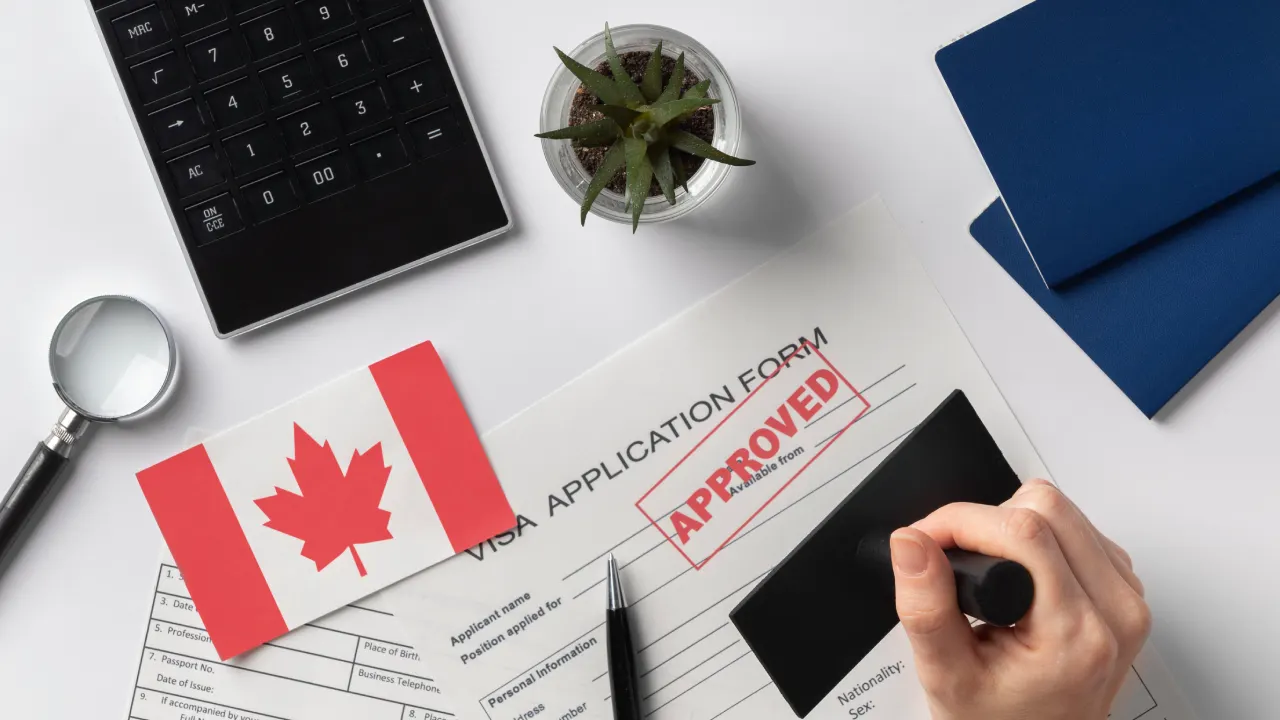
7 Common Skilled worker visa Mistakes That Delay Approval
Preparing for Canada Immigration Reforms: Express Entry Guidance for Applicants in Winnipeg
Why Express Entry Competition Keeps Rising Despite Slower Pool Growth
5 Facts About How Millions of Americans May Qualify for Canadian Citizenship and Permanent Residency
